The primary difference between floodlights and outdoor security lights is their design and usage. Outdoor security lights can cater to small areas like front yards, driveways, or backyards. Floodlights, on the other hand, are higher in wattage and brightness level than outdoor security lights, which makes them ideal for wider areas like stadiums, sports fields, […]
The primary difference between floodlights and outdoor security lights is their design and usage.
Outdoor security lights can cater to small areas like front yards, driveways, or backyards.
Floodlights, on the other hand, are higher in wattage and brightness level than outdoor security lights, which makes them ideal for wider areas like stadiums, sports fields, and big commercial spaces.
To learn more, consider reading the article below.
What are outdoor security lights?
Outdoor security lights are a type of lighting fixture that is typically used to enhance security and safety by illuminating certain spaces, especially in outdoor areas.
Security lights are used by homeowners and local authorities to help intimidate or mitigate the risks of property intrusions.
This type of lighting fixture is available in various options, including:
- Floodlights.
- Spotlights.
- Wall-mounted.
- Pathway lights.
What is a floodlight?
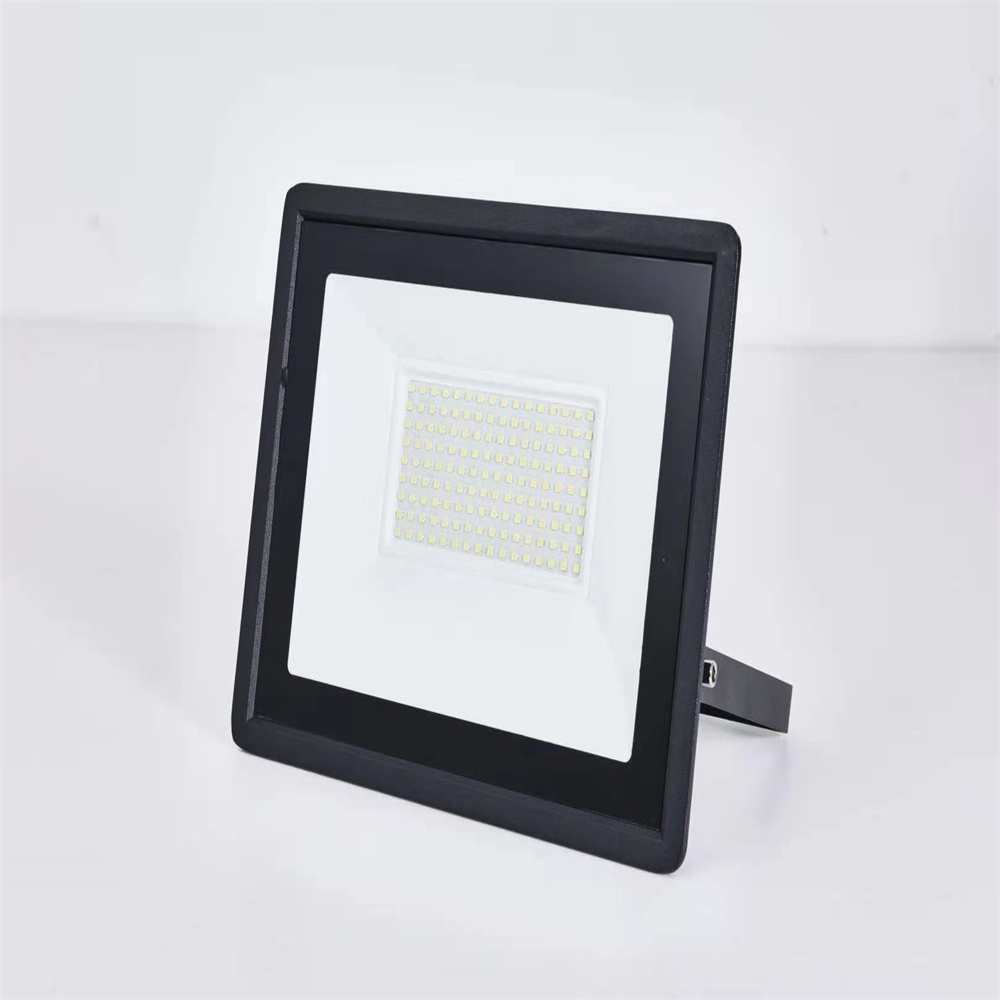
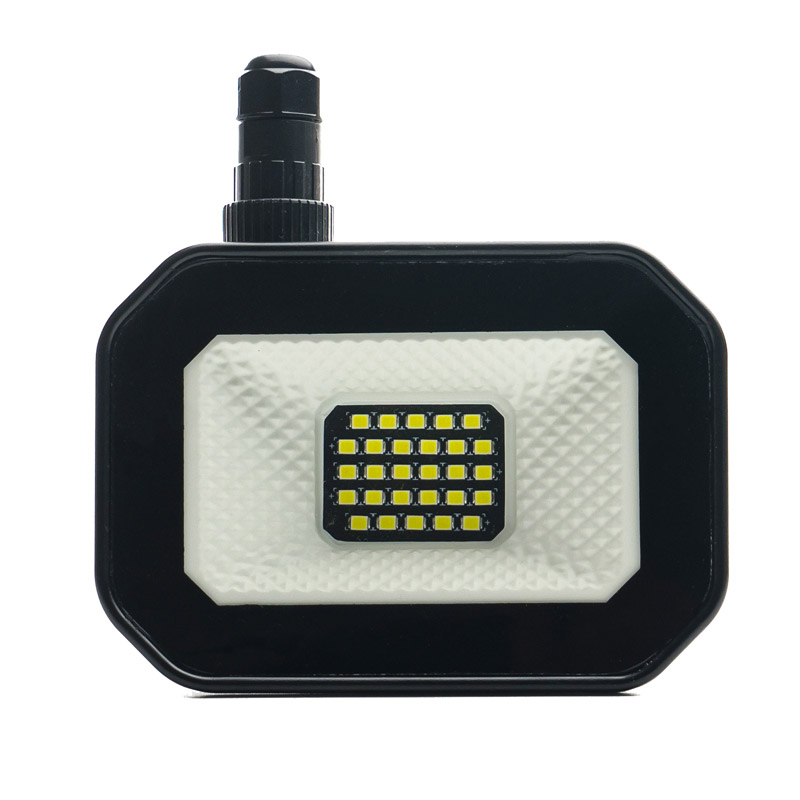
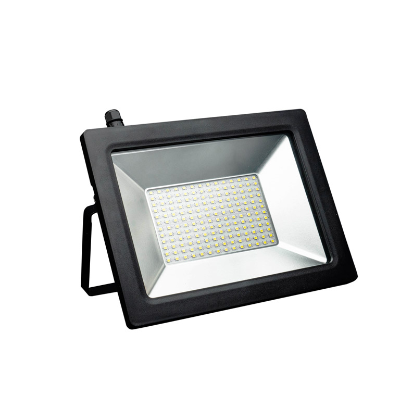
Floodlights are a type of outdoor security light that is typically used for bigger areas, such as stadiums, arenas, football fields, or commercial spaces.
This lighting fixture is higher in terms of wattage and brightness level.
Lighting for Security and Floodlights: Telling the Difference
While both outdoor security lights and floodlights serve the purpose of enhancing safety and security, there are some differences between the two in terms of functionality and design.
Outdoor security lights include a broader category of lighting fixtures designed specifically for security purposes, including floodlights.
They may include features such as the following:
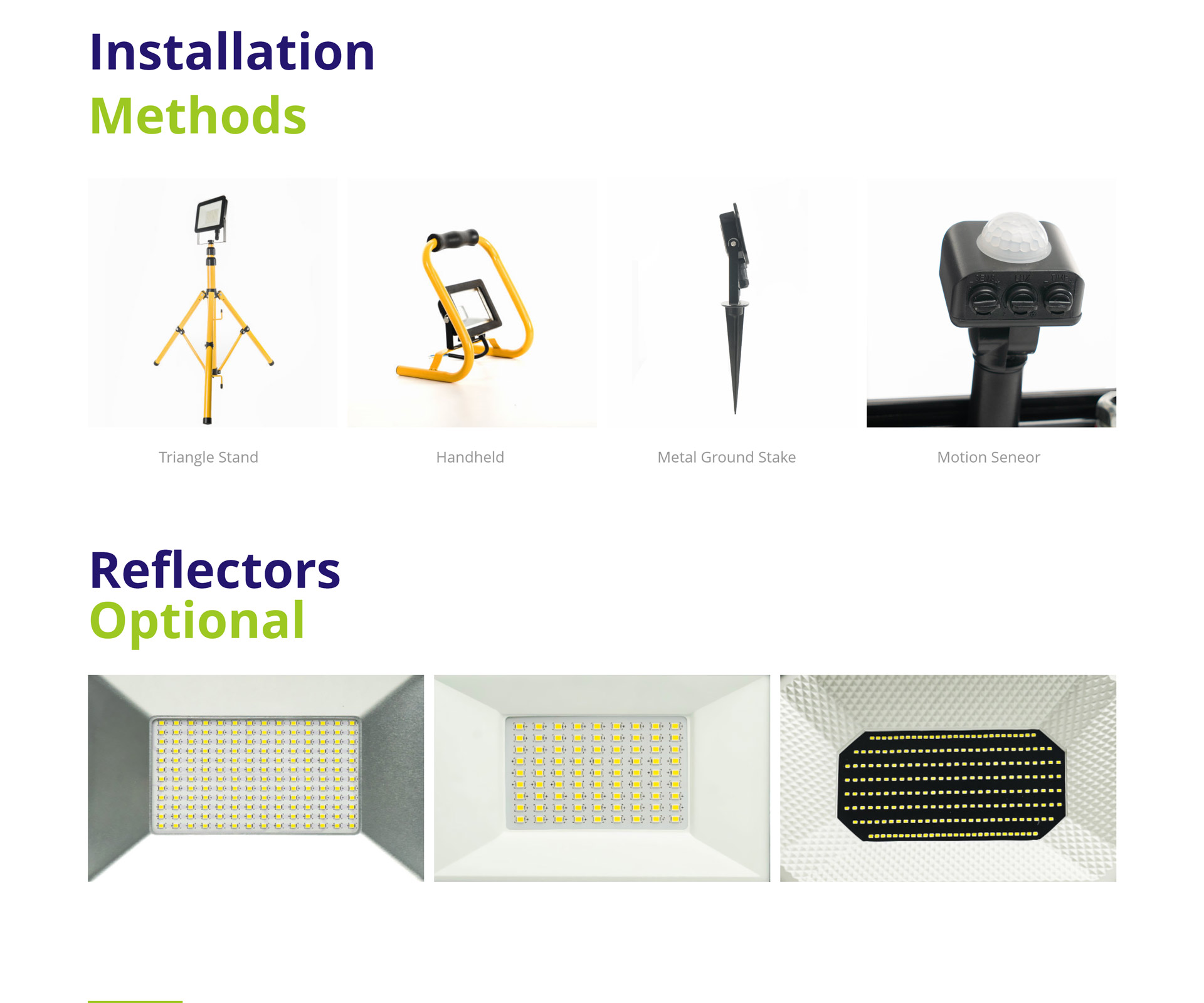
- Motion sensors.
- Timers.
- Dimmers.
Meanwhile, floodlights are used in wider areas, such as sports arenas or fields, due to their high brightness and wattage.
Here are their pros and cons side by side for your easy reference:
| Pros | Cons | |
| Outdoor Security Light | Suitable for a wide range of outdoor applications, including residential properties, commercial buildings, and public spaces. | Excessive or improperly directed outdoor lighting can contribute to light pollution, negatively impacting the environment and disrupting natural ecosystems. |
| Offer various features such as motion sensors, timers, and dimmers for customized lighting control and energy savings. | Overly bright lights or poorly positioned fixtures may cause glare and discomfort for nearby residents or passersby. | |
| Energy-efficient options, such as LED lights, can help reduce electricity consumption and lower utility bills over time. | Some types of outdoor security lights may require professional installation and regular maintenance to ensure proper functionality and longevity. | |
| Floodlight | Offer powerful lighting output and wide-reaching beams, ensuring visibility in expansive spaces. | High-wattage floodlights can consume significant amounts of electricity, leading to higher energy costs and environmental impact. |
| Well-suited for illuminating commercial properties, sports venues, parking lots, and other large outdoor spaces requiring extensive lighting coverage. | Regular maintenance, including bulb replacements and cleaning, may be necessary to ensure optimal performance and longevity of floodlight fixtures. | |
| Ideal for commercial and public areas. | Installing floodlights, especially at elevated heights or in hard-to-reach locations, may require specialized equipment and expertise, increasing installation complexity and cost. |
Key Takeaway
Outdoor security lights, including floodlights, play a vital role in enhancing safety and security in outdoor environments.
Whether increasing visibility in residential properties, commercial buildings, or public spaces, these lights provide brightness, deter potential intruders, and contribute to creating a safer and more secure environment for occupants and visitors alike.
By understanding the differences between outdoor security lights and floodlights and selecting the appropriate lighting solutions for specific needs, property owners can effectively enhance security and promote peace of mind.