When night falls on a sports stadium, the field is transformed from a sunlit grass plain to a brightly lit arena ready for night games. This is all thanks to the stadium’s powerful lighting system. But have you ever wondered just how bright these stadium lights need to be to properly illuminate a field? Let’s take […]
When night falls on a sports stadium, the field is transformed from a sunlit grass plain to a brightly lit arena ready for night games. This is all thanks to the stadium’s powerful lighting system. But have you ever wondered just how bright these stadium lights need to be to properly illuminate a field? Let’s take a closer look at the immense lighting requirements for outdoor stadiums.
Planning the Lighting Design
Constructing a stadium’s lighting system starts with determining the recommended light levels for the sports being played. Industry standards provide guidance on the appropriate lux, or lumens per square meter, for various field sports. For example, FIFA games require an average of 1500-2,000 lux. Lower light levels may be suitable for match practice football–around 500 lux. Overall uniformity and minimizing glare are also important factors in stadium lighting design.
With field light levels defined, electrical engineers perform complex calculations to select the proper stadium light fixtures, beam angles and mounting heights. The goal is to light the field evenly while minimizing shadows and spill light. Large stadiums may require several hundred flood lights carefully arranged on structural masts.
Serious Wattage
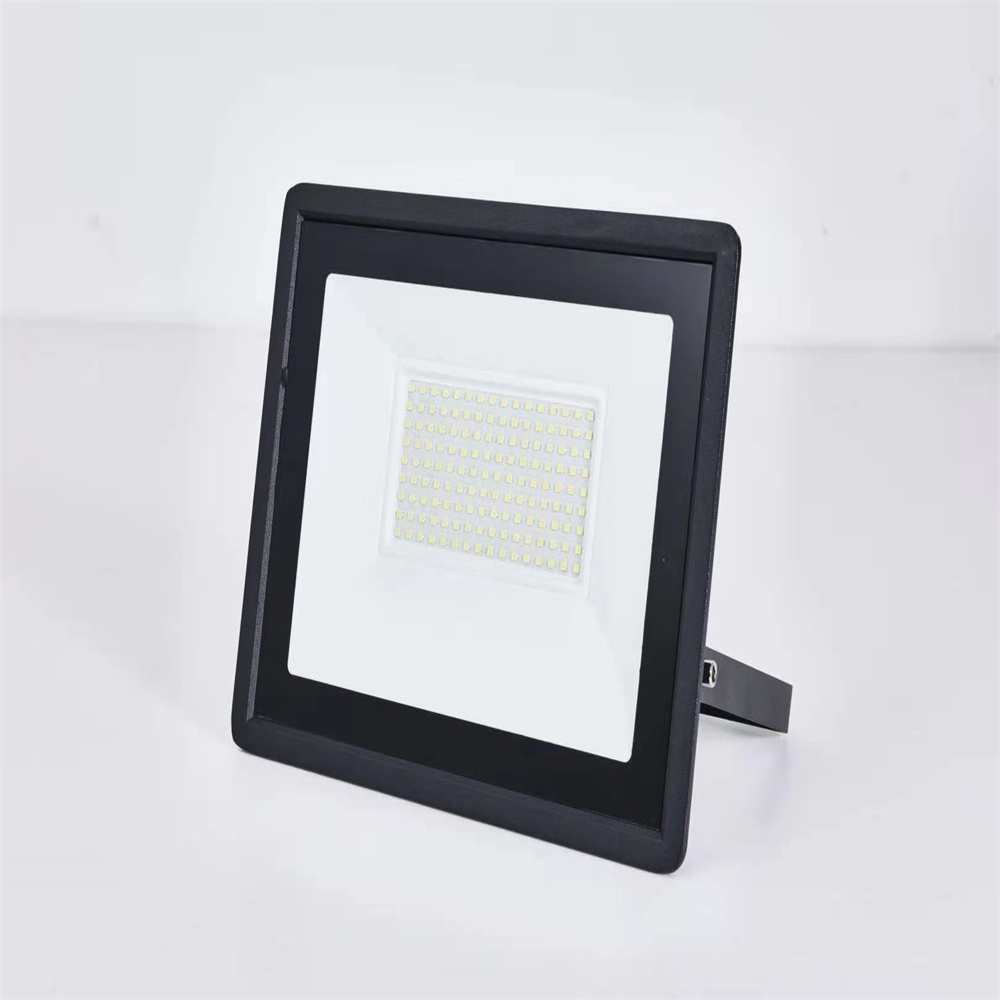
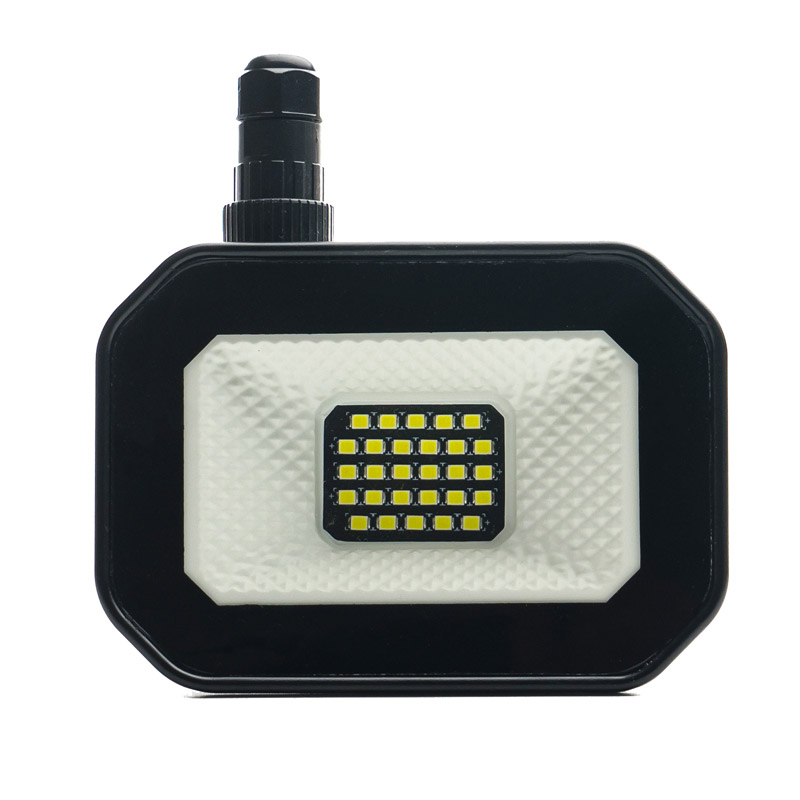
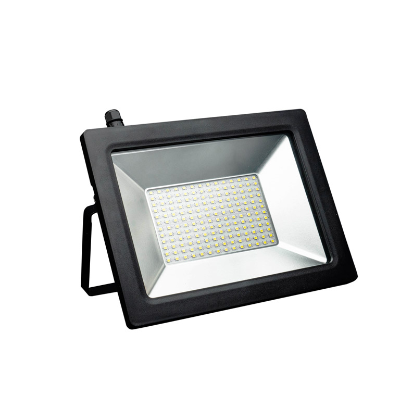
Generating 750+ lux across an entire professional football field demands some serious wattage. Huge 1500–2000-watt stadium lights are commonly used. For comparison, a typical household light bulb is 60-100 watts. High-output LED sports lights are also becoming popular for their energy efficiency and long life. But whether LED or traditional bulbs, we’re talking about some very powerful lights here.
Let’s consider a large NFL stadium requiring 750 lux over its 120,000 square foot field. To produce this much light, the electrical demand could be around 1500 kW when the full stadium lighting system is on. That’s about the same usage as 1000 average homes! And some arena or track settings may require even higher lighting levels and wattage. These immense lighting loads are managed by on-site substations and heavy-duty cabling infrastructure.
Impressive Illumination
When all the stadium flood lights kick on, the field is flooded with impressive illumination. For a night game, the light levels are actually greater than daylight – exceeding the typical daytime illuminance of 500-1000 lux. Everything from the lush grass to painted lines and team logos becomes vividly visible under the LED sports lighting. Players, coaches and fans are treated to optimal lighting conditions.
Conclusion
Stadium lights deliver powerful, specialized illumination that allows premier sports competitions to proceed even after sunset. Next time you’re at a night game, take a moment to appreciate the engineering achievement in the towering flood lights that make the game possible. The precisely aimed beams cut through the darkness to create a Modern arena worthy of world-class athletics and entertainment.
Ready to enhance your own space with cutting-edge lighting solutions? Explore RRRlighting for state-of-the-art options that illuminate your world with brilliance.