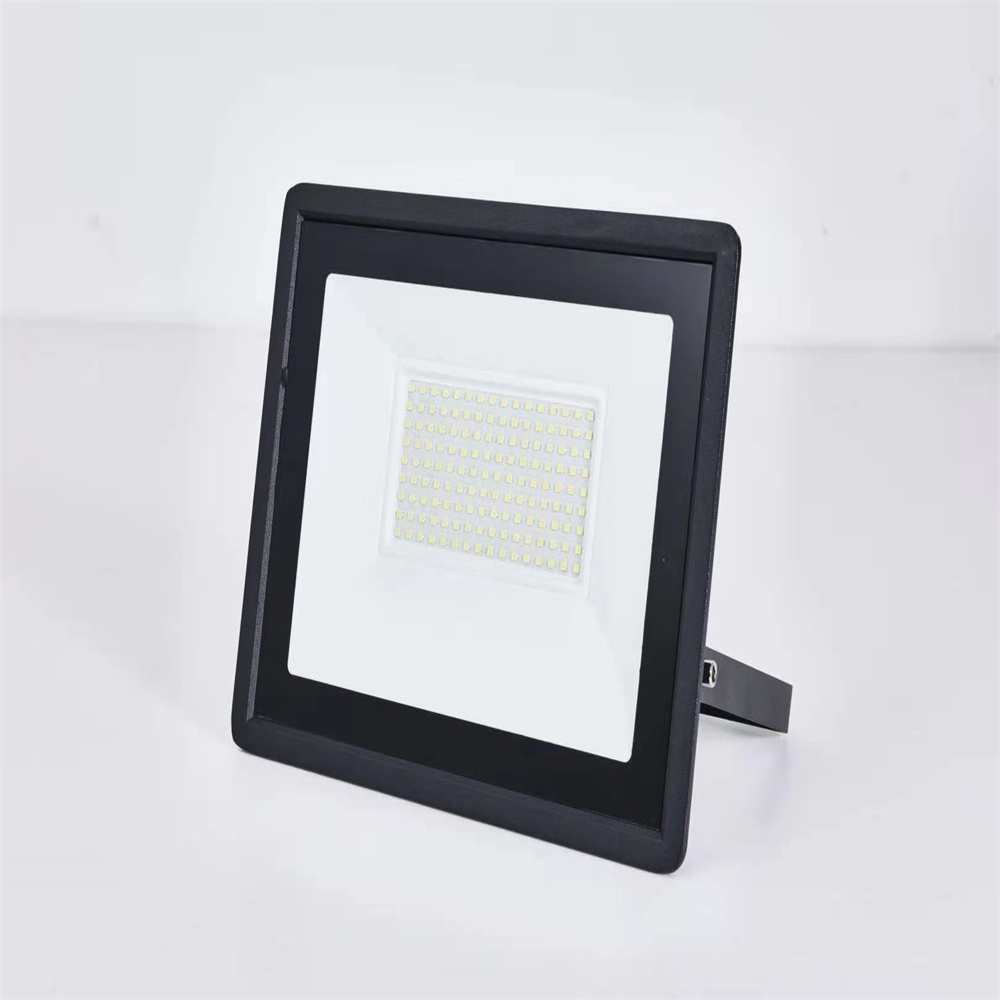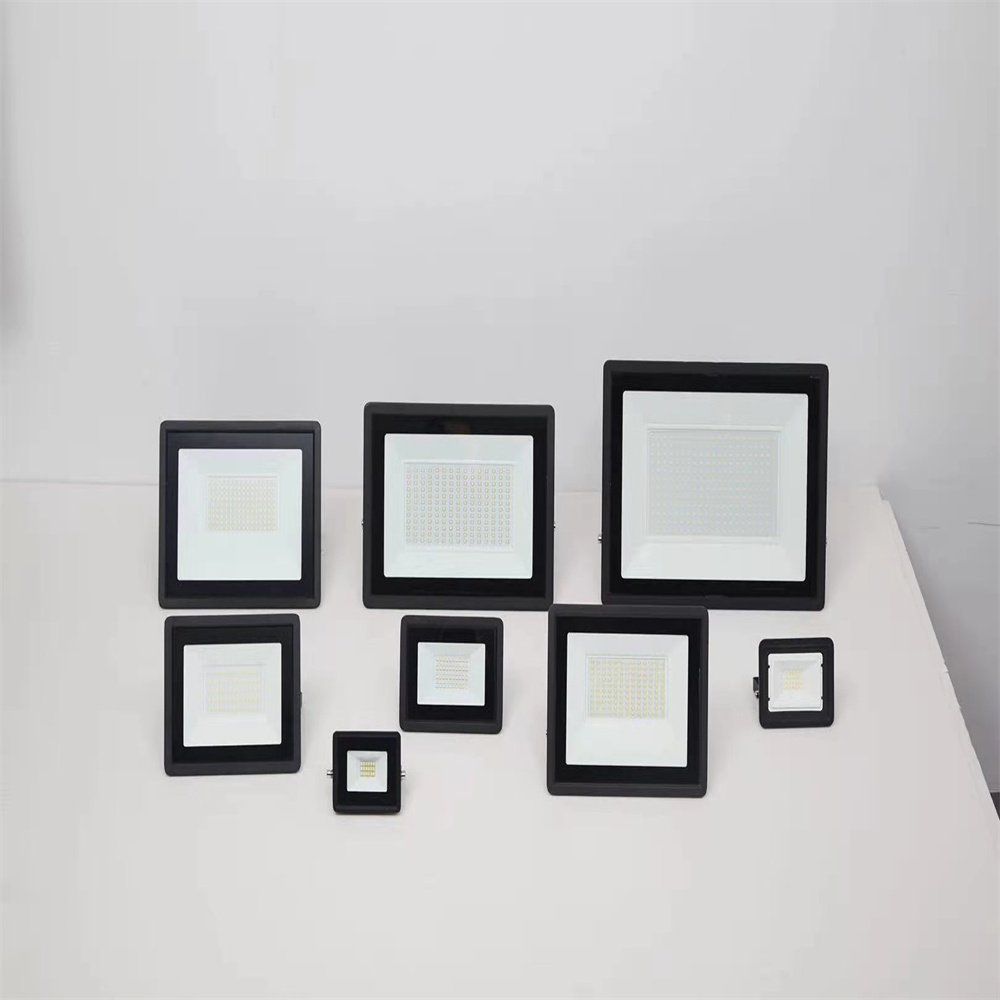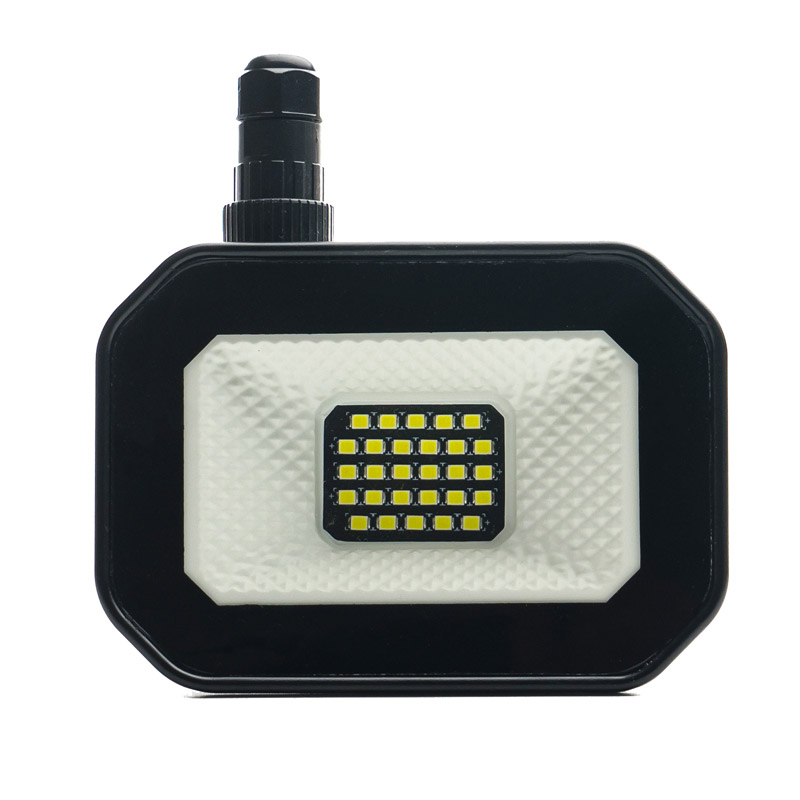
An ecologically sound and environmentally conscious method to illuminate outside spaces while reducing the impact is using LED solar lights. The method of placing these bulbs is simple. Comprehending essential elements such as a solar-powered bulb socket is necessary for an effective configuration. We will walk you through the process of fitting LED solar lights in […]
An ecologically sound and environmentally conscious method to illuminate outside spaces while reducing the impact is using LED solar lights. The method of placing these bulbs is simple. Comprehending essential elements such as a solar-powered bulb socket is necessary for an effective configuration. We will walk you through the process of fitting LED solar lights in this article, paying close attention to the solar light bulb socket. Below is the process of how to install solar lights.
Step 1: Assemble the Required Tools
Make certain that you have all the necessary items before starting with the setup. Usually, this consists of bolts, a solar power system, LED lighting, batteries that can be recharged, and—most importantly—a solar-powered bulb connector.
Step 2: Select the Setting Up Site
Choose an appropriate spot that gets plenty of sunlight all day long. The potential of the solar cells to collect sunlight determines how efficient LED solar lights have been, therefore for best results, locate it in a spot with little to no shade.
Step 3: Put the LED solar-powered lights together.
Carefully install the LED solar-powered lighting by joining the solar panel and other components following the vendor’s instructions. Ensure that this solar-powered bulb connector is robust and waterproof throughout the setup by giving it special attention.
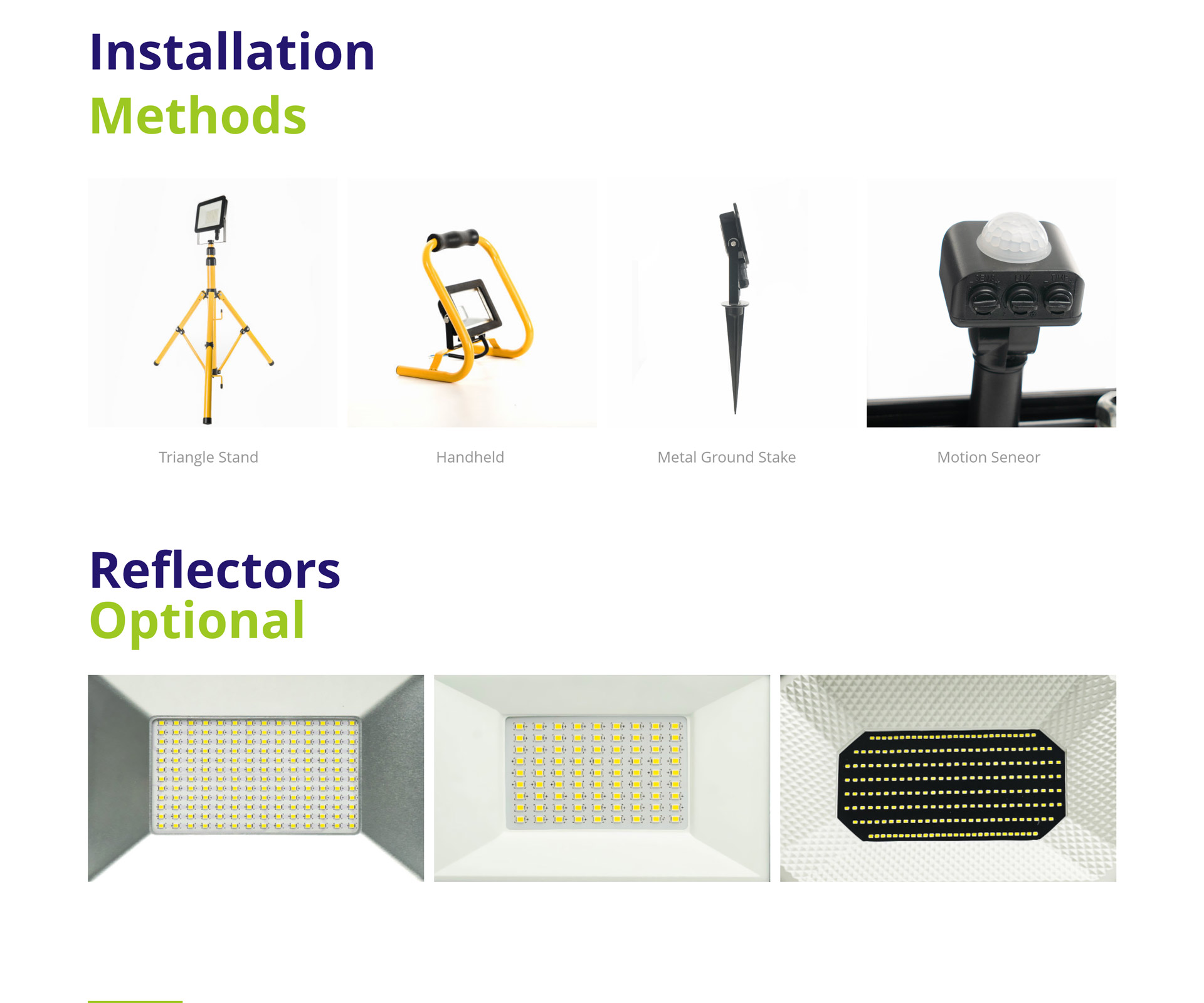
Step 4: Put the solar lights in place
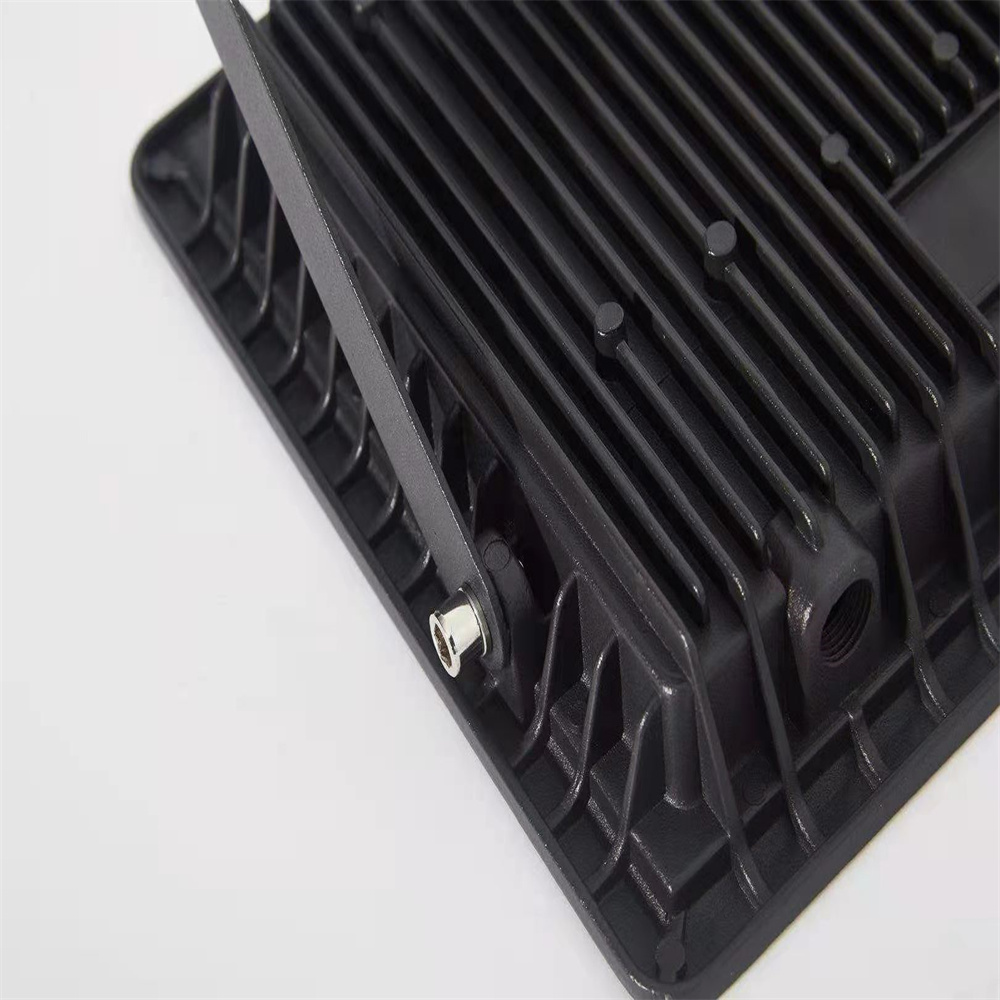
Set the LED solar-powered lights in the desired spot employing the included bolts and a screwdriver to attach them. Make sure that the fixtures are firmly fixed to endure changes in the environment and other outside influences. A stable mounting of the solar cells is also necessary for efficient sunlight collection.
Step 5: Connect the Solar Light Bulb Socket
An essential part that joins the LED illumination to their electrical supply is the solar-powered bulb socket. Make sure that the adapter is firmly fastened to the solar-powered light installation, and make sure that the link is made correctly by following the directions provided by the manufacturer. Having a sturdy solar light bulb connection is necessary for consistent operation.
Step 6: Give the LED solar-powered lights a test
Verify the LED solar-powered lights are operating properly before finishing the whole process. Check all of the connections again, look for anything amiss with the sunlight bulb socket, and repair as necessary if the illuminations aren’t working.
Step 7: Regular Maintenance
Make sure you complete periodic inspections to guarantee long-lasting functionality. Examine the solar light bulb connector for damage or corrosion, clean the solar panel’s surface to get rid of particles and dirt, and fix any broken parts right away. You may effectively mount LED sunlight lamps and take advantage of environmentally friendly outdoor illumination by complying with these procedures.
Throughout the setup, remember to search for a solar-powered bulb socket, solar illumination parts, and solar lamp supplies to ensure a smooth and trouble-free process. Accept the force of solar energy to properly light your outdoor areas.
Conclusion
A satisfying project that improves the visual attractiveness of your exterior spaces and supports an environmentally friendly and environmentally friendly way of living involves setting up LED solar lights. By paying close attention to the solar-powered bulb socket, you can maximize the effectiveness of your LED solar-powered lights by ensuring a safe and dependable connection.
Conscientiously enlighten your environment while reaping the advantages of fresh sustainable power.