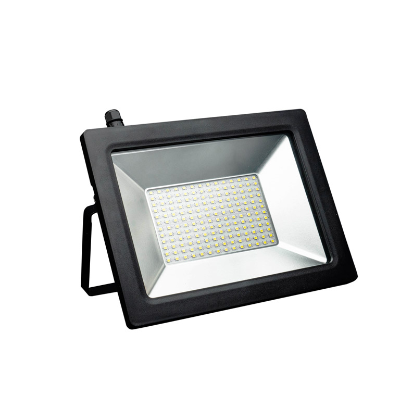
Outdoor LED flood lighting has become a popular choice for illuminating outdoor spaces due to its energy efficiency, durability, and versatility. One critical factor to consider when selecting an outdoor LED flood light is the wattage. Determining the suitable wattage for your outdoor lighting needs is crucial for achieving the right balance between brightness, energy […]
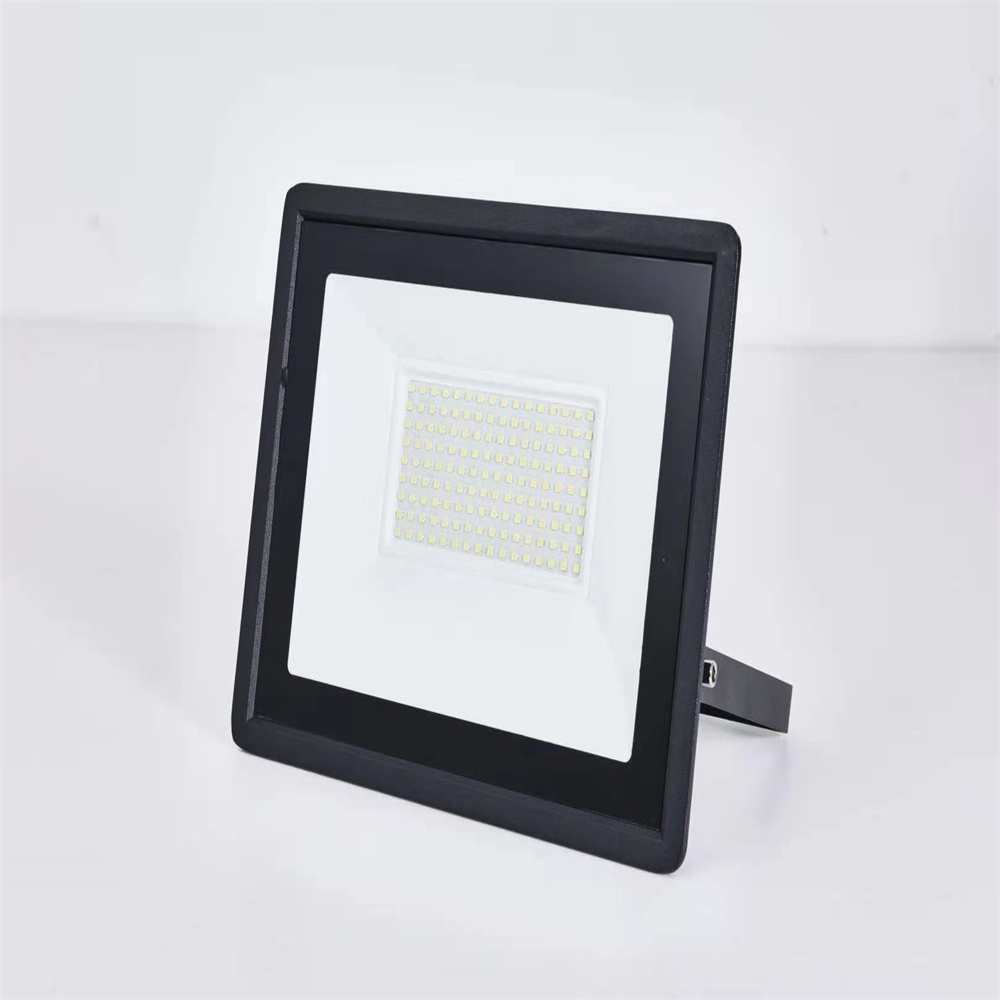
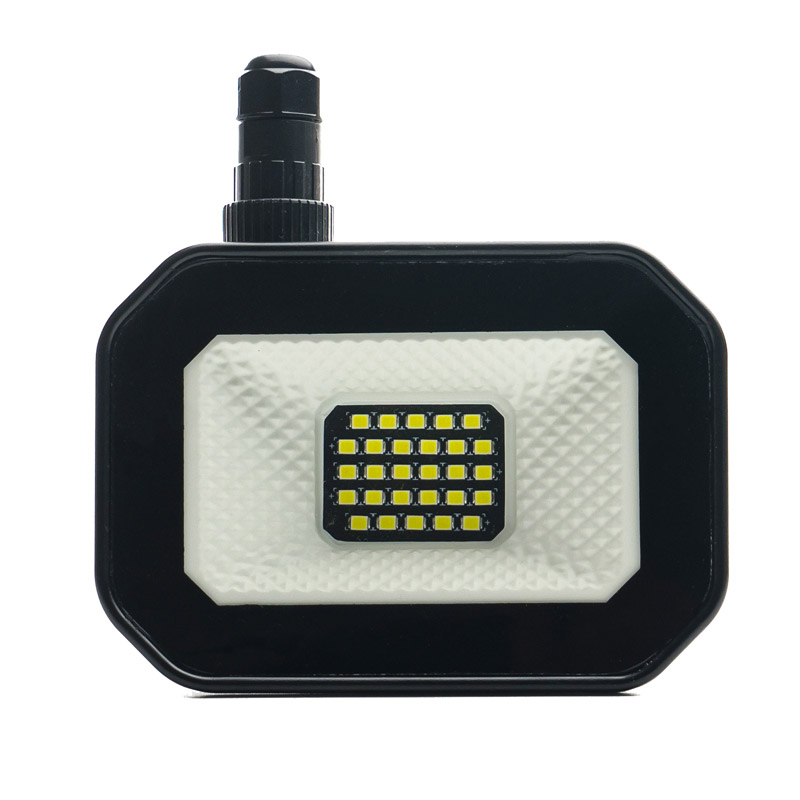
Outdoor LED flood lighting has become a popular choice for illuminating outdoor spaces due to its energy efficiency, durability, and versatility. One critical factor to consider when selecting an outdoor LED flood light is the wattage.
Determining the suitable wattage for your outdoor lighting needs is crucial for achieving the right balance between brightness, energy consumption, and cost-effectiveness.
Understanding Wattage
Wattage is a measure of the power consumed by a light fixture. In traditional incandescent bulbs, higher wattages generally mean brighter light, but this is not necessarily the case with LED technology.
LED flood lights are highly efficient, producing more lumens per watt than traditional lighting sources. Lumens measure the brightness of a light source, and with LEDs, you can achieve the desired brightness with lower wattages.
Factors to Consider
To pick the right LED flood light wattage for outdoor use, here are some factors to consider:
Area Size
The size of the outdoor area you want to illuminate is a primary factor in determining the suitable wattage. Larger spaces may require higher wattage to ensure even and adequate lighting. Consider the dimensions of the area and the height at which the flood lights will be mounted.
Purpose of Lighting
If you need lighting for security reasons, a higher wattage might be necessary to ensure clear visibility. For decorative or accent lighting, lower wattages can create a pleasant ambiance without overpowering the space.
Color Temperature
LED flood lights come in various color temperatures, ranging from warm to cool. The color temperature you choose can impact the perceived brightness. Warmer temperatures (lower Kelvins) may appear softer, while cooler temperatures (higher Kelvins) can provide a brighter and more alert atmosphere.
Motion Sensors and Dimmers
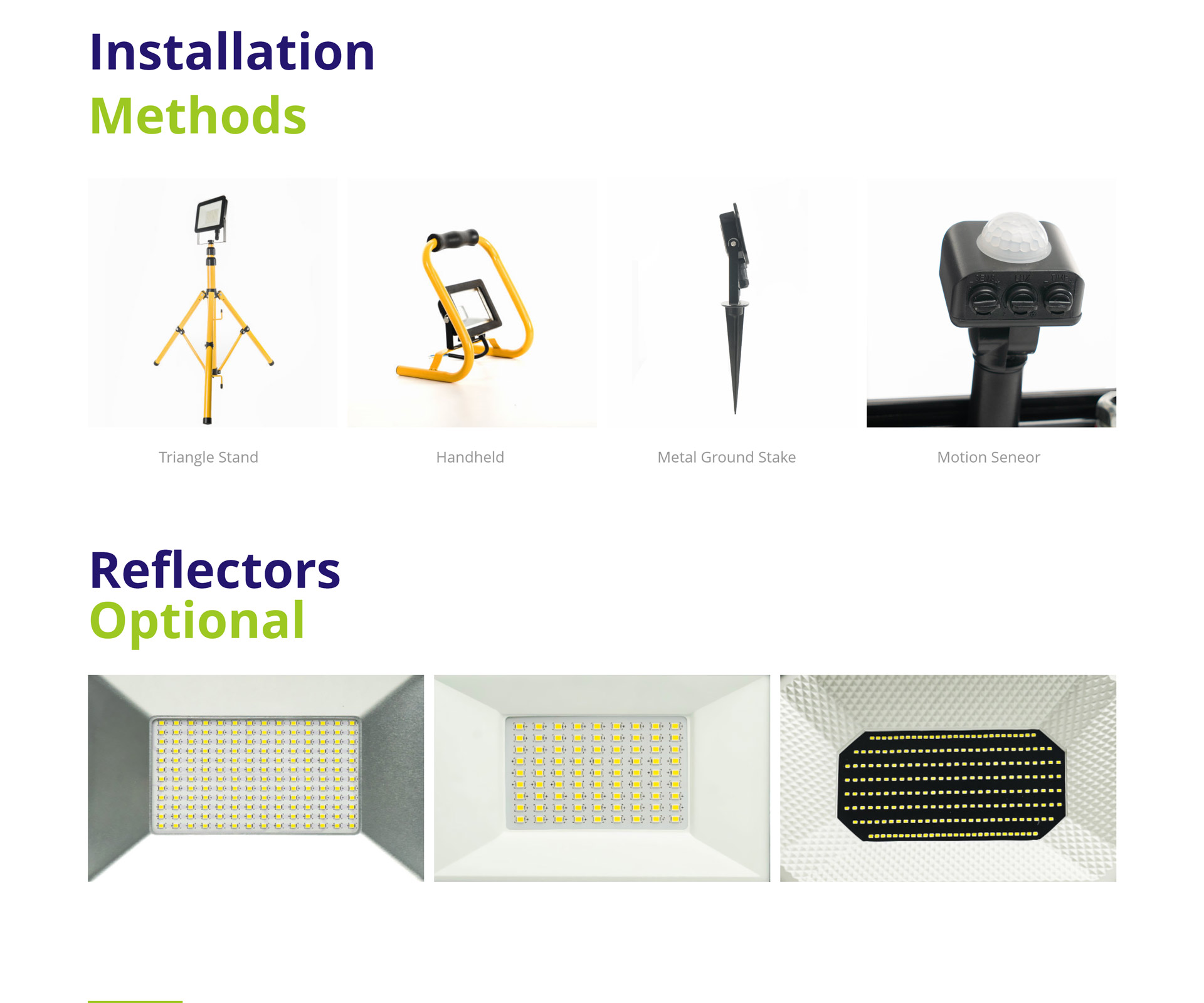
Incorporating motion sensors and dimmers can enhance energy efficiency. If you opt for these features, you might be able to use lower-wattage LED flood lights. Motion sensors can activate the lights only when needed, and dimmers allow you to adjust the brightness according to the specific requirements of the moment.
Space
For smaller outdoor areas or spaces where subdued lighting is sufficient, consider LED flood lights in the range of 10-30 watts. These are ideal for patios, gardens, or pathways where accent lighting is more appropriate.
For medium to larger spaces like driveways, parking lots, or expansive gardens, opt for LED flood lights in the range of 40-100 watts. This higher wattage ensures ample illumination, especially in areas where security and visibility are paramount.
Security-conscious individuals may opt for outdoor led flood lighting with wattages exceeding 100 watts. These high-intensity lights are suitable for large yards, stadiums, or commercial properties where maximum visibility is essential.
The Right Company for the Right Led Flood Light
Don’t compromise on visibility, security, or ambiance—choose the right wattage for your outdoor lighting requirements.
RRR Lighting has been helping clients pick the appropriate lighting solution to illuminate their space. Contact us or visit our website now and explore our extensive range of LED flood lights designed to cater to various spaces and purposes.